
The Sacred Space of Service: MEDCAP, Politics, and the Betrayal of Aid
THE EDITORIAL CHEESE
Patrick Petinglay Villavert
11/21/20255 min read
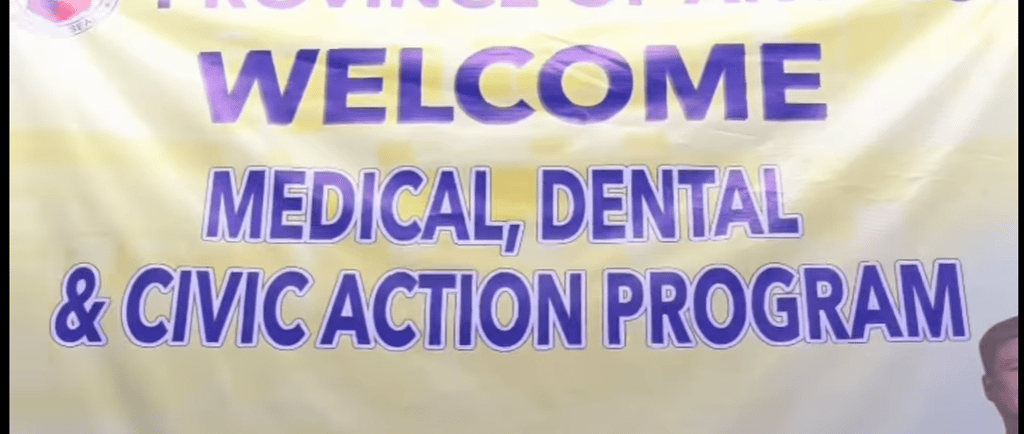
Defining the MEDCAP Mission
The Medical-Dental Civic Action Program (MEDCAP) is more than just a logistical exercise; it is a sacred covenant forged between the Armed Forces of the Philippines (AFP) and the most vulnerable sectors of our society. It represents the military, stepping deliberately out of the theater of conflict, to provide the most basic human necessities: health and dignity. At its core, MEDCAP is conceived as a purely non-partisan, humanitarian endeavor—a critical component of Civil-Military Operations (CMO) designed to win the hearts and minds of populations historically underserved or alienated from central governance. It deploys rapid-response teams of doctors, dentists, and nurses—often uniformed personnel, sometimes augmented by civilian volunteers and partner organizations—to remote barangays, conflict-affected zones, and impoverished urban communities. These missions offer immediate, life-affirming services: free consultations, vital sign checks, emergency tooth extractions, minor surgeries, and most importantly, the distribution of essential, often life-saving, medicine.
The mission is fundamentally simple and deeply strategic: to bring immediate, tangible relief where healthcare infrastructure has entirely failed or is practically inaccessible due to distance, cost, or insurgency threats. Eligibility is universal, a stark, refreshing contrast to the often complex bureaucratic requirements of public health programs elsewhere. The only true qualification is demonstrated need. While specific application processes exist for organized, large-scale requests from Local Government Units (LGUs) or non-government organizations, the average impoverished citizen does not "apply"—they simply show up. They arrive before sunrise, queuing patiently with their neighbors, their hopes pinned on the military’s outstretched hand. They are the weary, the forgotten, the people who know that the out-of-pocket cost of a single consultation, perhaps just $\text{PHP }500$, or a packet of antibiotics, is a financial mountain they cannot climb. For these communities, the arrival of a MEDCAP is not just medical aid; it is the physical manifestation of the state's care, the only time many will ever interact with a functioning, service-oriented arm of the government.
Distribution, Dignity, and the Absent Peso: The Nature of In-Kind Aid
The distribution event itself—the beating heart of the MEDCAP operation—is not a cash handout, but a concentrated torrent of medical and general civic care. Unlike traditional welfare programs, the medicines, vitamins, dental kits, and sometimes even non-medical supplies like rice, canned goods, and hygiene kits are dispensed freely, not in exchange for money, but for the silent nod of gratitude and the restoration of physical well-being. Portable dental chairs are set up under tents or temporary structures, instantly transforming rudimentary spaces into genuine temples of healing. The true payout here is measured in extracted pain, corrected vision, and the simple relief of a fever breaking, not in crisp $\text{PHP }1,000$ bills.
This in-kind nature is what distinguishes MEDCAP’s integrity. While other government aid programs, like the Pantawid Pamilyang Pilipino Program (4Ps) or Conditional Cash Transfer (CCT), involve direct monetary assistance (sometimes ranging from $\text{PHP }500$ to $\text{PHP }2,000$ monthly, depending on the number of children, school attendance, and health compliance), MEDCAP’s financial contribution is almost exclusively material. The aid bypasses the complexity and fungibility of cash, ensuring the resource provided directly addresses the critical need—health. Should a rare instance of supplemental financial aid be integrated into the civic action, perhaps a humble stipend for transport or recovery costs, it is meant to be a quiet gesture of logistical support, administered discreetly by non-partisan civil servants or military officers in charge of the operation. Crucially, the absence of a financial transaction in the exchange of medical care preserves a profound sense of dignity. It establishes a necessary, apolitical trust between the provider (the institution of the AFP) and the receiver, making these moments ones of raw vulnerability and professional confidence, far removed from the transactional logic of politics. This integrity of distribution is paramount to the mission's success.
The Shadow of the Stage: The Politician's Presence and the Theft of Goodwill
It is precisely at this juncture—this sacred, non-monetary moment of genuine aid—that the politician arrives, transforming the covenant into a commercial enterprise. The politician, often an incumbent or aspiring official, sees the pre-established crowd, the media presence, and the atmosphere of gratitude as a perfect, low-cost campaign platform.
When the military and medical volunteers have spent days or weeks laying the groundwork, sacrificing comfort and time, the politician arrives, typically with a large, visible entourage and a booming microphone or sound system. The sacred space of impartial service instantly becomes a stage for electioneering. The large tarpaulin banner, which was meant to celebrate the selfless, institutional efforts of the military’s medical team and its partners, is now strategically repositioned or entirely overshadowed by a brightly colored tarp bearing the name, face, and campaign slogan of the official. The humble, dignified distribution of donated vitamins, free consultations, and basic food packs suddenly morphs into an orchestrated political spectacle—the politician's personal relief drive.
This opportunistic presence, though often disingenuously framed as "support," "oversight," or "partnership," is a corrosive act of institutional credit theft. It implicitly suggests to the vulnerable citizens that the aid—the free medicine, the dental relief, the rice—is not a right derived from public taxation or a function of the military's mandated public duty, but a personal gift bestowed by the politician's individual generosity. This act weaponizes kindness, turning the vulnerable citizen into a captive, obligated audience for a campaign speech. The politician, captured in a carefully framed photo, is seen personally handing a plastic bag of goods to a poor elderly woman or a child, claiming credit for the sweat, logistical effort, and professional sacrifice of the uniformed personnel. It is the public relations coup achieved at the expense of human dignity, polluting the neutral ground of humanitarian service with the transactional currency of electioneering. The focus shifts entirely from the community's healing to the politician's image-making.
The Peril of Politicization and the Erosion of Trust
The danger inherent in this politicization is profound and far-reaching. When a fundamental human service like health, especially one delivered by a key institution of the state like the AFP, is draped in partisan colors, it sends a chilling and damaging message: your well-being is conditional, dependent not on your rights as a citizen, but on your political allegiance or implied vote. It strips the citizen of their right to impartial service, forcing them into a posture of transactional gratitude towards an individual, rather than building trust in the reliability of public institutions. This manipulation breeds deep cynicism and systematically destroys the apolitical integrity of the military’s civic mission, often leading to status anxiety and resentment among beneficiaries who may feel obligated or shamefully scrutinized.
Furthermore, politicization undermines the military’s primary goal for conducting CMOs: establishing legitimacy and separating the population from armed opposition. When the people see the military's outreach efforts immediately co-opted for political gain, the trust built by the soldier-doctor is instantly degraded by the presence of the self-serving politician. The community is left wondering: Was this aid provided by the military to help us, or by the local official to secure our votes? This ambiguity compromises the strategic value of the entire operation. MEDCAPs must remain sanctuaries of pure service. The soldier-doctor, the volunteer nurse, and the beneficiaries deserve an environment free from the corrosive, transactional influence of electioneering. The moment a politician’s face, logo, or speech dominates the event, the focus shifts entirely from healing the community to healing a political career. To truly honor the spirit and strategic integrity of the MEDCAP, the space must be reserved for the sick, the healers, and the quiet, non-negotiable principle that humanitarian aid, especially that delivered by the military, must never be used as campaign currency. The light of impartial service should shine brightly, unpolluted by the shadow of the ballot box.